
What Indian Railways Hiring Covers
Recruitment across Indian Railways is coordinated primarily through the Railway Recruitment Boards (RRBs) and Railway Recruitment Cells (RRCs), which together handle hiring for zones and production units across the network. Depending on the specific recruitment cycle, openings generally fall into a few broad categories:
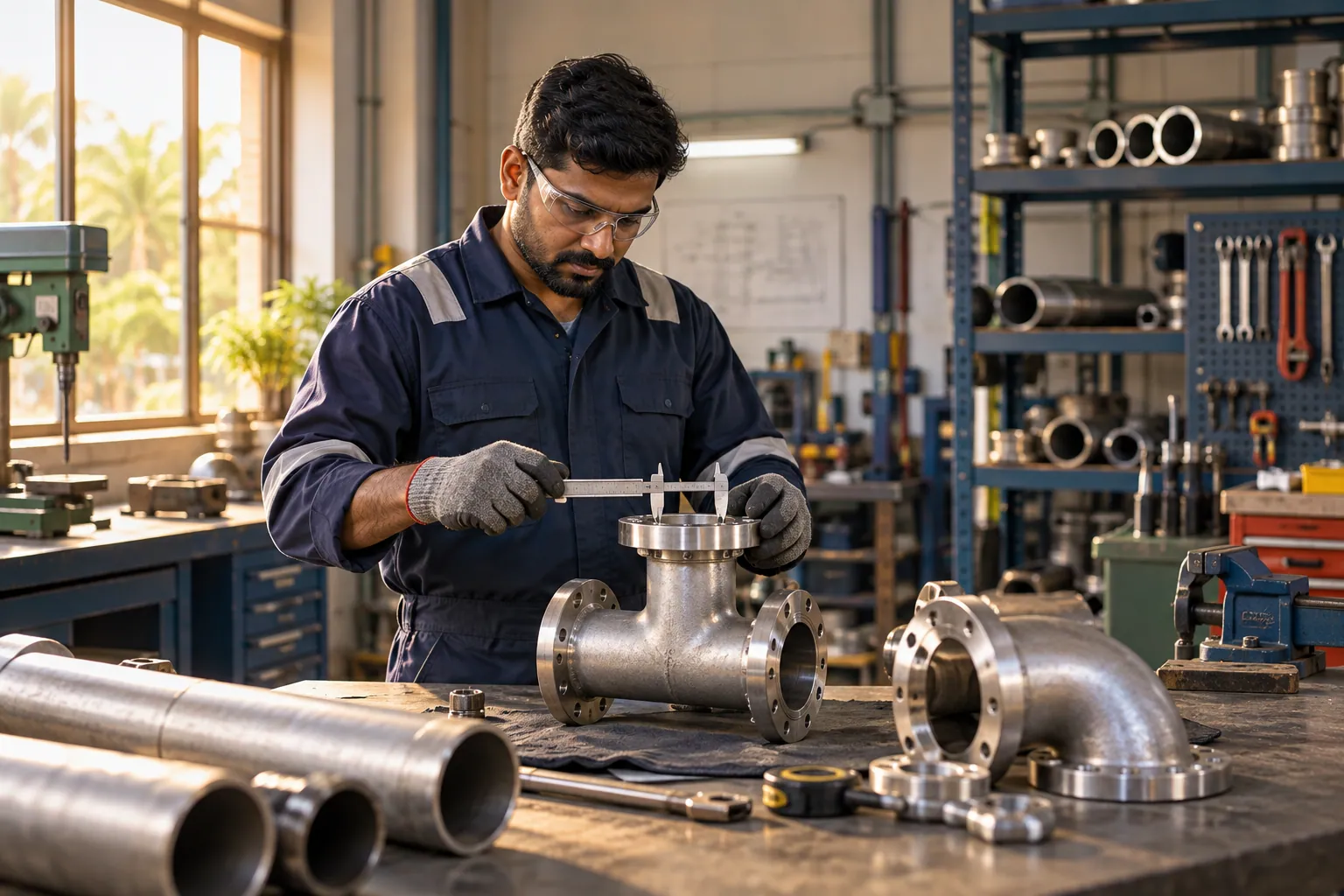
- Group C technical and non-technical posts — roles such as junior engineers, technicians, and station or office-level staff that call for a mix of technical or general educational qualifications.
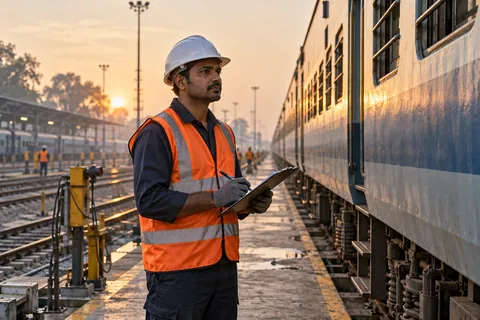
- Safety-category posts — track maintenance and similar operational roles that support day-to-day running of the network.
- Ministerial and isolated categories — administrative, clerical, and specialized support roles spread across zonal divisions.
- Apprenticeship and training-linked positions — structured entry pathways tied to specific technical trades, often aimed at candidates early in their careers.
Because the network is organized into multiple zones and production units, notifications for a given recruitment cycle are usually published by the relevant RRB or RRC region rather than as a single centralized announcement, and each notification lays out the specific posts, qualifications, and application window for that cycle. It’s worth checking notifications from the zone or region you’re applying to directly, since requirements can differ slightly between them.
General eligibility for most posts is built around a few common factors: educational qualification appropriate to the post applied for, an age range specified in the notification (with standard relaxations for certain categories as per government norms), and Indian citizenship or the nationality criteria stated in the official notification. Exact qualification and age requirements vary by post and are always confirmed in the specific recruitment notification rather than being fixed across every role.
How Recruitment Notifications Work
Indian Railways recruitment follows a fairly consistent notification cycle, even though timing and specific posts vary from year to year:
- Notification release. The relevant RRB or RRC publishes an official notification specifying the posts, eligibility, and application timeline for that cycle.
- Online application. Candidates apply through the official RRB or RRC website during the specified window, submitting required documents and details.
- Admit card issuance. Ahead of any exam stage, eligible candidates are issued admit cards through the official portal, which include exam center and schedule details.
- Result and further stages. Depending on the post, results from one stage determine who advances to subsequent stages, such as a further exam, skill test, or document verification.
Because timelines and specific requirements are set independently for each recruitment cycle, the most reliable source of information is always the official notification for the specific posts you’re interested in, rather than a general summary.
What the Selection Process Typically Looks Like
Selection generally moves through a sequence of stages, though the exact combination depends on the post category:
- Written examination. Most posts include one or more computer-based or written exam stages covering subjects relevant to the post category.
- Skill or physical efficiency test. Certain technical and safety-category posts include an additional practical or physical assessment beyond the written exam.
- Document verification. Candidates who clear earlier stages typically go through verification of educational certificates, identity documents, and category-related certificates where applicable.
- Medical examination. Many posts, particularly safety-category ones, include a medical fitness check as part of the final stages before appointment.
Because Indian Railways recruitment is publicly administered, the specific structure, number of stages, and evaluation approach can be updated between recruitment cycles — always refer to the current notification for the post you’re applying to rather than assuming a previous cycle’s process still applies.
Why Zone-Level Structure Matters
Indian Railways operates through a number of zones and production units spread across the country, and recruitment is largely decentralized along these lines rather than run as one single nationwide process. This means a candidate might see multiple notifications open at different times from different zones or boards, each covering its own set of posts and vacancies for that region. It’s worth being deliberate about which zone or board’s notification you’re tracking, since requirements, application portals, and timelines are managed independently at that level even when the underlying post category is similar across zones.
General Tips for Applicants
Read the official notification closely before applying. Eligibility, document requirements, and application steps are specific to each notification, so relying on a general summary instead of the source notification is a common and avoidable mistake.
Keep documents ready in advance. Educational certificates, identity proof, category certificates, and photographs are typically required at various stages, so having them organized ahead of time helps avoid last-minute issues.
Apply only through official RRB and RRC channels. Indian Railways recruitment is handled exclusively through official government portals — be cautious of any third party charging fees or claiming to guarantee selection.
Track updates directly on official sources. Exam schedules, admit card releases, and results are published on official RRB and RRC websites, so checking those directly is more reliable than relying on unofficial forwards or messages.
The Bottom Line
Indian Railways recruitment runs through the Railway Recruitment Boards and Railway Recruitment Cells, covering a wide range of technical, non-technical, and safety-category posts across the network. The general path runs from an official notification through application, one or more exam or assessment stages, document verification, and — for many posts — a medical check, though exact requirements and timelines vary by post and recruitment cycle. If you’re considering applying, start by reading the specific notification for the posts you’re interested in and keep your documents and eligibility details ready in advance.